In 1946, the world was a different place. Just after WWII, the baby boom was in full swing, tensions that would ultimately erupt into the cold war were brewing, and the first digital computer was created.
David Queen was 16, and decided to join the Rhinebeck Grange Patrons of Husbandry #896, a community service organization, to, in his words, “meet girls.” Soon, he realized that the Grange was so much more than a place to find dates. The Grange was there to help rebuild farms that unexpectedly burned down; it was there when community elders needed some Christmas-caroling spirit.
The Grange is an organization that is focused on serving and supporting rural communities. Founded in 1901, Rhinebeck Grange was originally focused on advocating for farmers at the state level. Today, the core values remain the same: supporting farmers and rural communities. The original Grange was founded in the aftermath of the civil war, a time where agriculture was suffering. The meetings were held in secret so the railroad workers, who controlled most of the imports at the time, couldn’t find out what Grange members were doing. The organization grew to include promotion of legislation that helps agricultural interests, hosting of community festivals, and offering scholarships to local high schools.
I had the pleasure of interviewing longtime member, Mr. Queen about his experience with the Grange, when I joined the local chapter with my family this summer. Even though we may be 80 years apart, we share the experience of joining the Grange at the exact same time in our lives.
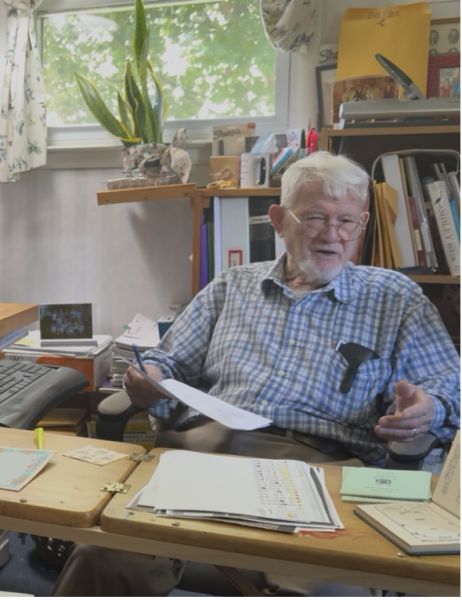
Queen grew up on a farm and then served in the Korean war. He became an engineer and surveyor with the New York State Highway Department. Being a member of the Grange for so long, David Queen has taken part in numerous projects and got a sense for what the Grange strives to do. He said when talking about what life was like in the Grange’s earlier years, “A lot of the guys went off to World War II and [the Grange gained popularity] after that. There was a real community feeling.” The Grange organization was there for soldiers returning from war and they’re still here today. That’s what the Grange is all about: community.
Living in a rural place can be challenging. Even though only a small number of people in America live in rural places, they still make up a large percentage of our country. People who live in these areas feel the effects of living far apart from places like hospitals and other buildings that are more readily available for someone who lives in a city. According to the CDC, people who live in rural areas have higher rates of poverty, less access to healthcare, and are less likely to have health insurance. That’s why in a rural community it is important to have a sense of unity.
The president of the Grange, retired Rhinebeck High School art teacher Cynthia Baer said, “The main purpose of the Rhinebeck Grange is to provide pathways for positive change at local levels and to keep our neighborhoods connected.”
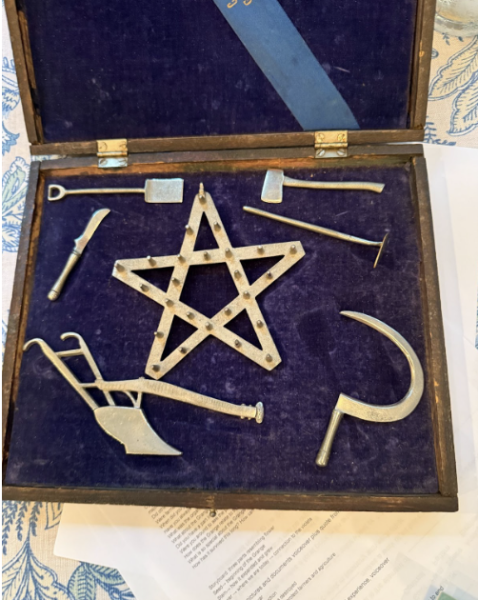
The Grange has lasted through generations, including local families like the Coons and Travers and just recently celebrated the 125th anniversary last summer.
Through my experiences, I learned that joining the Grange is such a valuable experience because it connects you to your community. Having participated in 4-H, another community service organization, as a child, I learned how special organizations like the Grange are. You may not be able to find these tight knit organizations in cities. It is special that we live in a rural space because we can experience things that someone who lives in a city wouldn’t get to experience: a grand sense of community. It is important to give back to community and the Grange is committed to doing just that, whether it’s by holding celebrations or supporting neighbors. They connect generations and communities with the goal of celebrating and giving back to the place we live.