The United States government declared a shutdown on October 1, 2025, nearly seven years after the last shutdown. It occurred because Democrats and Republicans in Congress could not agree on funding related to the Affordable Care Act, which helps make healthcare more affordable for Americans.
The shutdown affected the public in many ways. Thousands of government employees were furloughed or forced to work without pay, including TSA officers and other federal workers. As a result, air travel became inconsistent, with many flights delayed or canceled across the country. This caused frustration for travelers trying to visit family and friends during the holiday season. Although many people blamed the airlines, the shutdown was the main cause of these disruptions.
The shutdown also affected people who rely on government assistance. The Supplemental Nutrition Assistance Program, or SNAP, helps low-income families afford food. During the shutdown, possible reductions to SNAP benefits became a major concern. If benefits were reduced, many families would struggle to put food on the table. Because of this, the shutdown threatened both financial stability and access to basic needs.
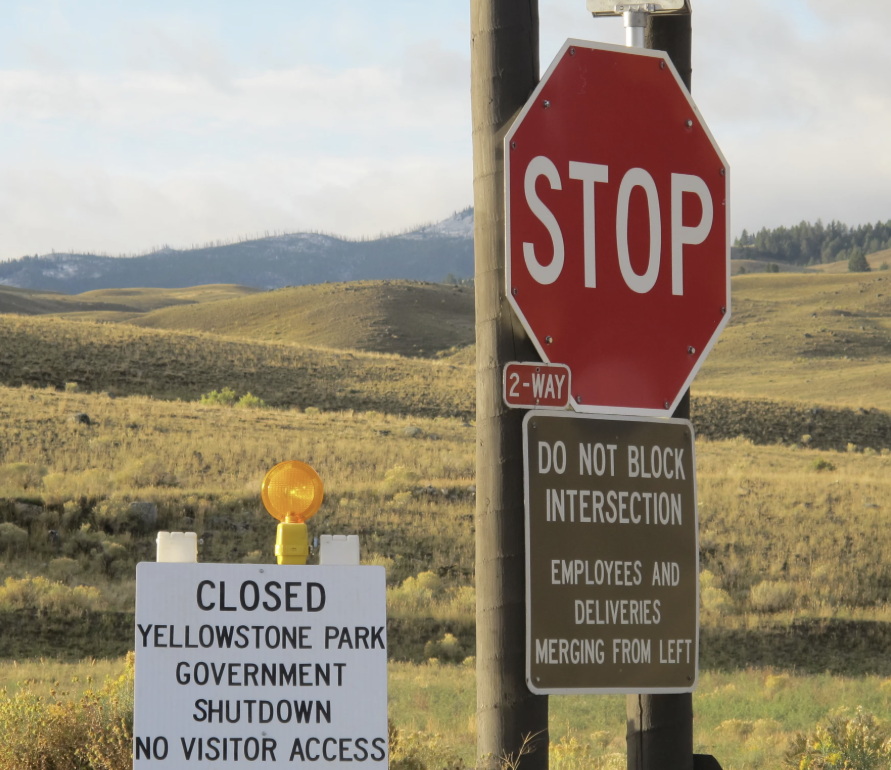
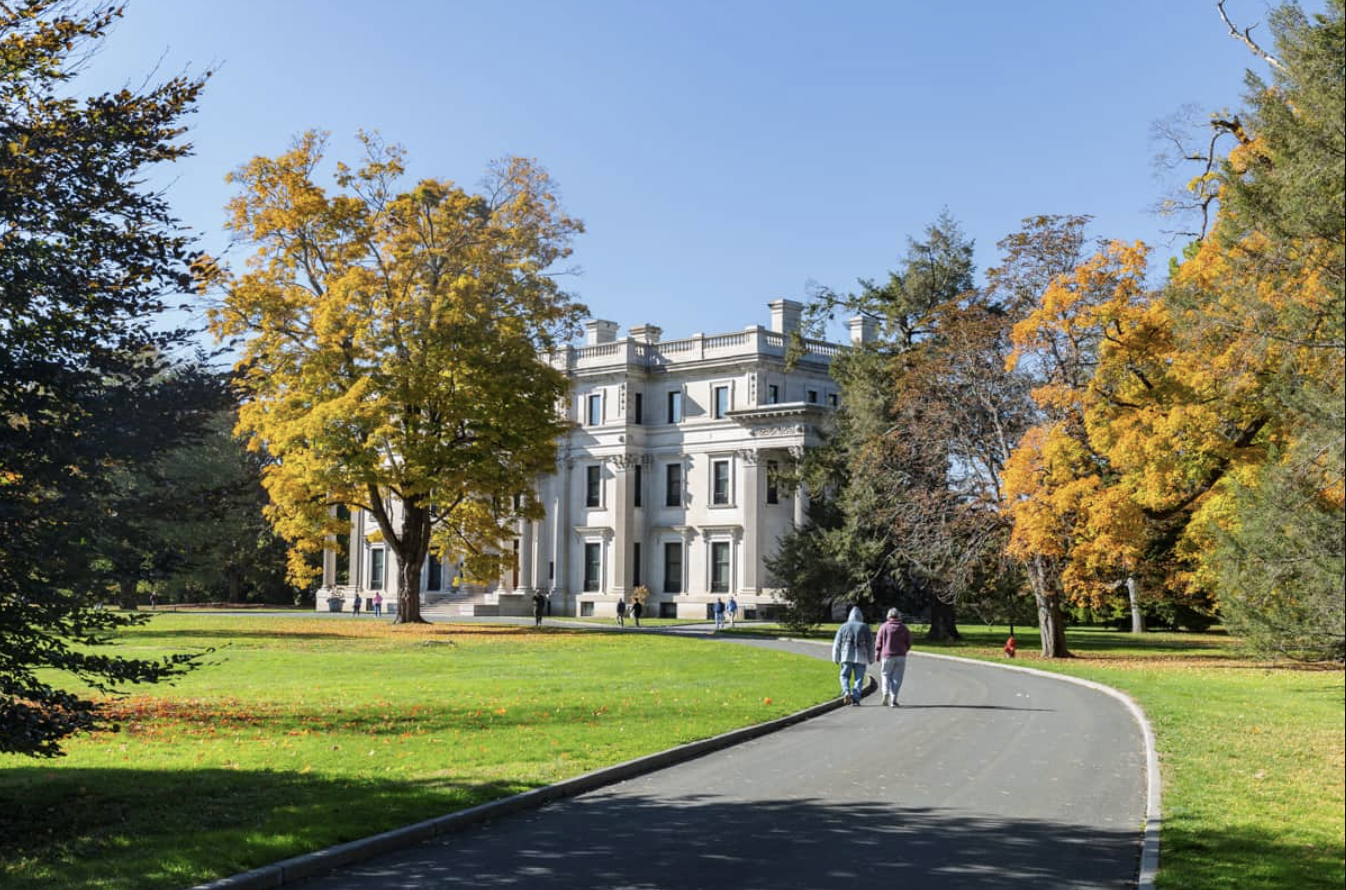
Publicly funded places were also impacted, including museums and state and national parks. According to a New York Times article titled “For Workers, Mixed Signals. For the Public, Limited Impact on Shutdown’s First Day” by Eileen Sullivan, a mother traveling discovered that the Jimmy Carter Presidential Library was closed. Locally, the Vanderbilt Mansion National Historic Site also closed because it did not receive enough funding to remain open or pay employees. These closures affected both visitors and workers.
The government shutdown ended on November 13 after lasting 43 days. Although an agreement was reached to reopen the government, healthcare funding debates continued. According to PBS, Congress did not fully extend certain parts of the Affordable Care Act, and negotiations were still ongoing.
Even after the shutdown ended, the effects were still being felt. According to ABC News, the United States lost about $11 billion. Around 42 million people lost SNAP benefits, about 670,000 federal employees were furloughed, and roughly 730,000 workers were required to work without pay. In addition, about 60,000 non-federal workers lost their jobs. While the government reopened, it will take time for families and the economy to recover.