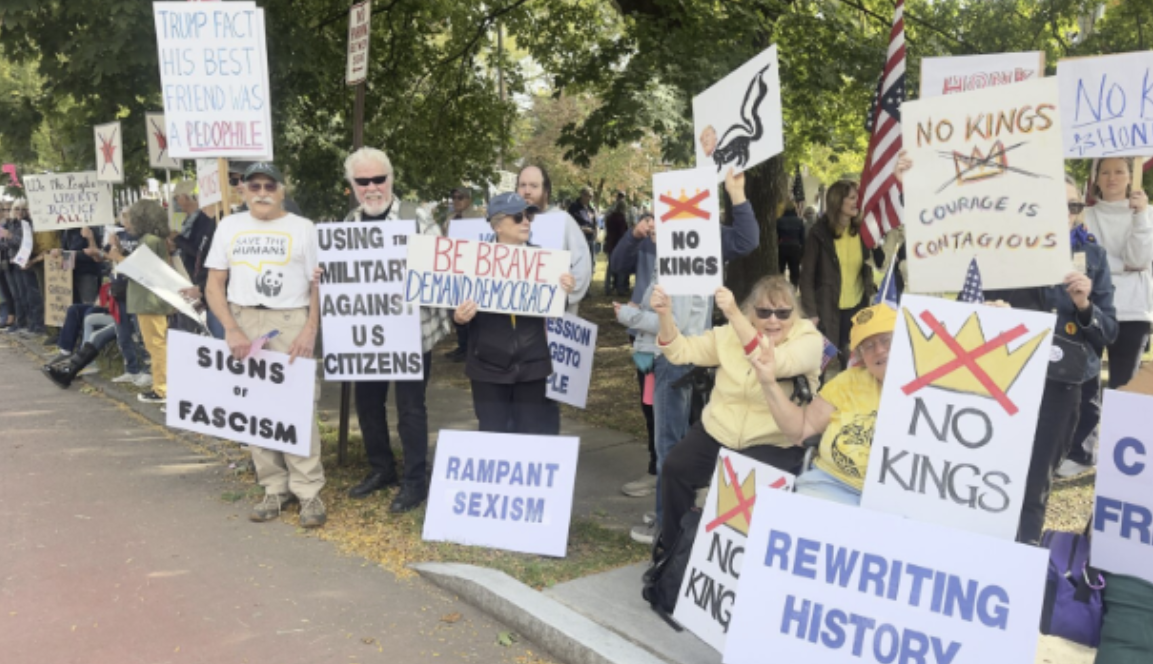
Since the start of the United States, the right to peaceful protest has been a fundamental part of our democracy. From the Boston Tea Party, to the suffragette marches for women’s rights, to the boycotts, rallies, and demonstrations led by civil rights activists, protests have played a crucial role in changing laws and shaping our nation. You could even say that protesting and rallying together has become part of our American tradition. That tradition was clearly shown on June 14 during No Kings Day, and again on October 18 when millions rallied against the current presidential administration.
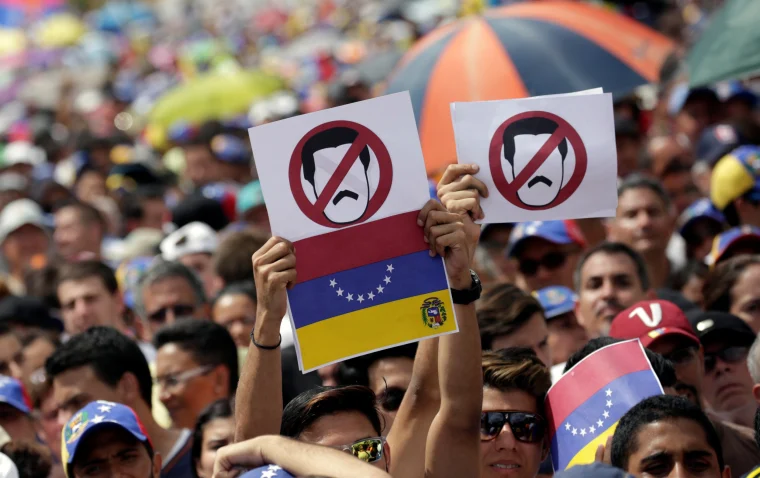
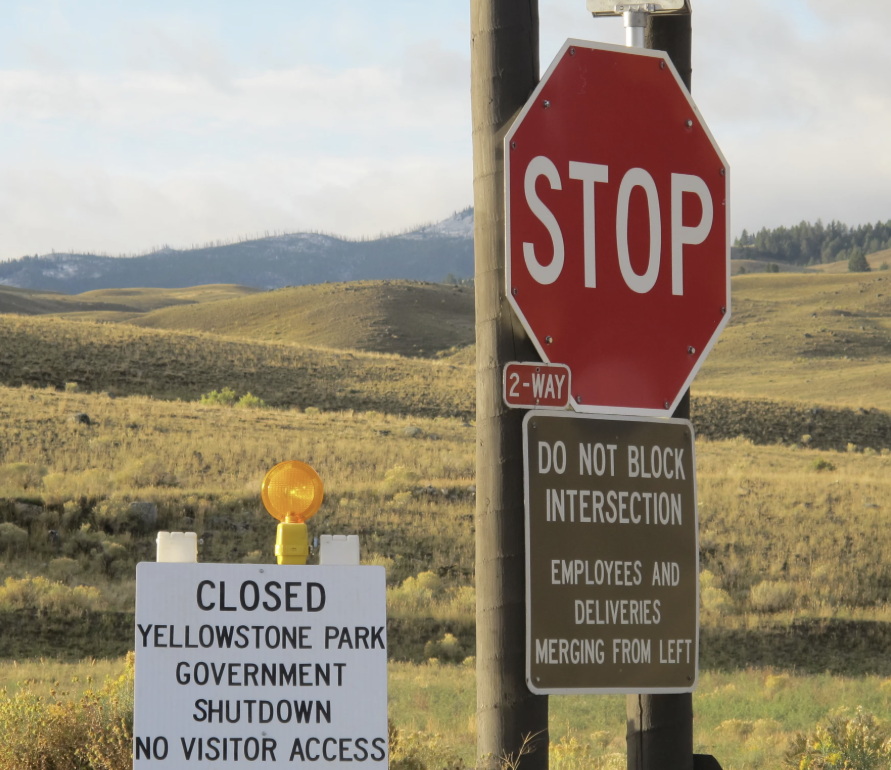
On June 14, 2025, nearly five million people participated in over two thousand protests across all fifty states to oppose the parade held in Washington, D.C. for Donald Trump’s birthday. This event, known as No Kings Day, was a direct response to Trump’s recent comments and social media posts in which he compared himself to a king. About a month later, another nationwide protest took place on October 18 against the government shutdown, immigration raids, and the deployment of federal troops in major cities. These events directly affected thousands of children and families, which created a strong sense of urgency among protesters.
More than 2,600 protests were held across the country, and even small communities like Rhinebeck and Kingston reflected these national movements, with thousands marching in solidarity. Students, elected officials, and veterans from across the community came together to exercise their rights, even in the face of criticism from government leaders. Mike Johnson, Speaker of the House, responded by saying, “They’re going to descend on our Capitol for their much-anticipated, so-called ‘No Kings’ rally. We refer to it by its more accurate description, ‘The Hate America Rally.’”
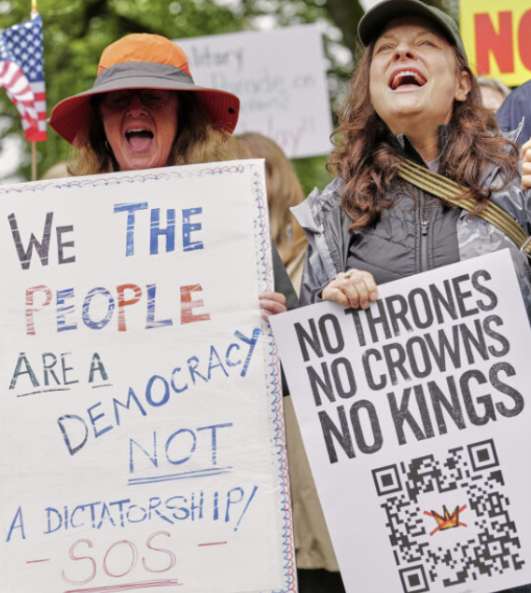
However, this statement was the opposite of what protesters were trying to accomplish. Their goal was to protect constitutional rights and preserve the fundamental values of American democracy. One speaker in Kingston declared, “When we say shut it down, we mean it. We are the majority—and we will never back down.”
Protesting is essential to the United States and what it stands for. It is powerful, and it brings together people from different backgrounds and communities for one shared purpose. As new challenges continue to arise, it is more important than ever that we stand together, especially as young people who have a responsibility to help shape the future we want to see.