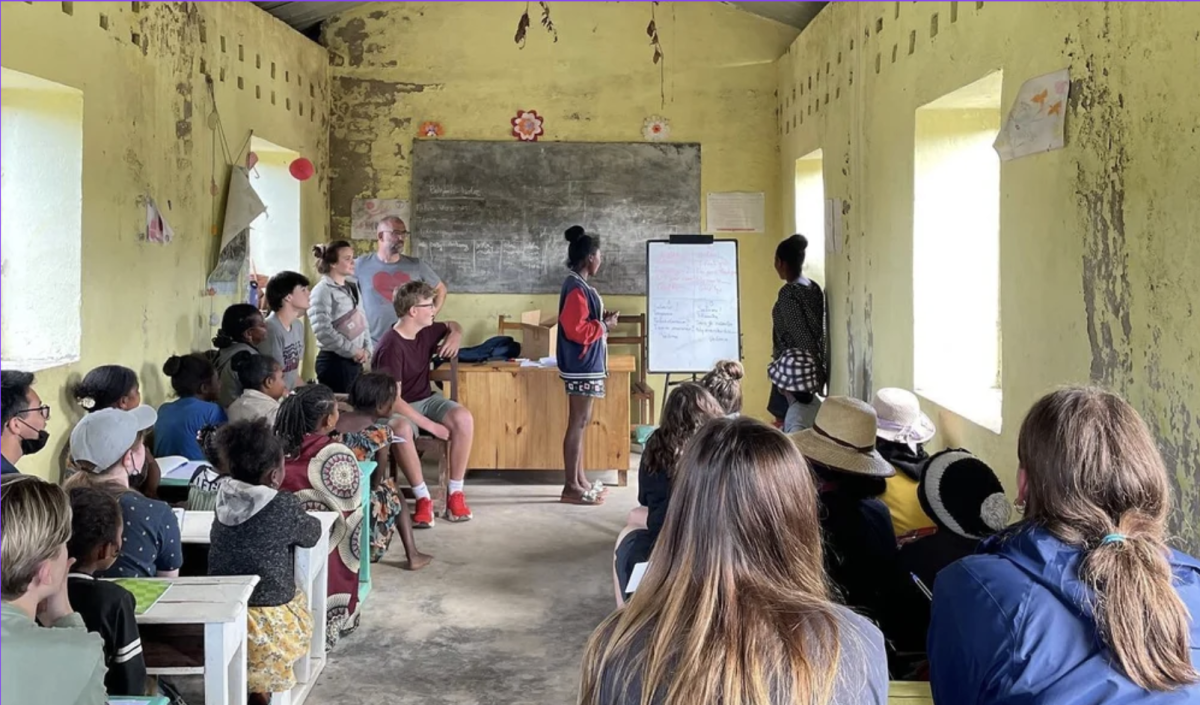
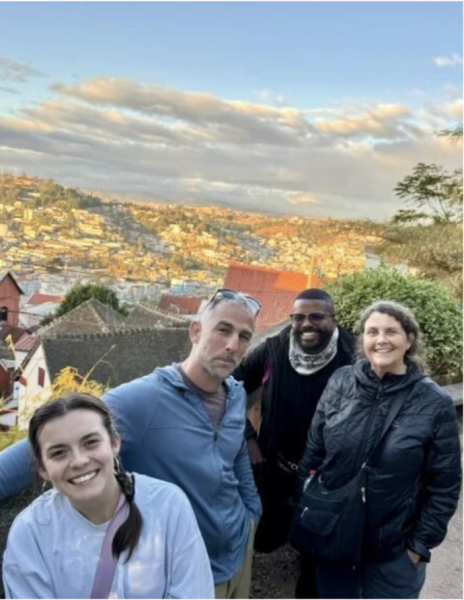
This summer, eight students from Rhinebeck High School will travel to Madagascar with CultureConnect, but this is not a service trip. MadagascarConnect is a cultural exchange, an opportunity for Rhinebeck and Malagasy students to share ideas and customs and to deepen their understanding of cultures outside their own. To make this experience happen, MadagascarConnect partners with Zara Aina, a performance arts program for at-risk youth in Antananarivo, and Dr. Patricia Wright, a preeminent anthropologist, conservationist, and an icon in the world of wild lemurs. Thanks to the connection with Dr. Wright, student ambassadors spend part of their trip at Centro ValBio, a modern research station.
Madagascar is the second largest island nation in the world and has an incredibly fascinating history. From French colonization to the fight for freedom and a plethora of government coups, Madagascar has seen its fair share of political and social change. Additionally, Madagascar has incredibly rich cultural and biological diversity. An overwhelming majority of the species in Madagascar only inhabit the island and its varying climates, and throughout the island there are 18 different main tribes, each with unique customs and practices. There is so much beauty in Madagascar, but the nation is also riddled with extreme poverty and political corruption. A majority of Malagasy people are impoverished, and there are many government systems and rules in place to keep the poor from reaching economic stability and equality.
The Madagascar exchange program is an incredibly eye-opening and influential experience. By stepping outside of the Rhinebeck bubble and seeing a culture that is starkly different from our own, ambassadors can deepen their understanding of how diverse the world and people’s experiences are. They also experience first-hand how climate change and our unsustainable practices can affect the people, plants, and animals throughout the world. Additionally, exposure to such extreme poverty is a cause for self reflection, which requires intentional vulnerability. After taking part in the 2024 trip, Ellie Firestone said that one of many key takeaways was the importance of “accepting your own vulnerability in order to be fully present with those around you.”
This year’s ambassadors will leave for Ranomafana National Park in late June, before traveling to the nation’s capital: Antananarivo. They’ll take part in hikes throughout Madagascar’s different biomes, visit animal sanctuaries and a chocolate factory, take a tour of the U.S. Embassy in Tana and the Queen’s Palace, and participate in many group and individual performances. Plans and itineraries may change, but the one that is guaranteed is that these students will return with an expanded world view.